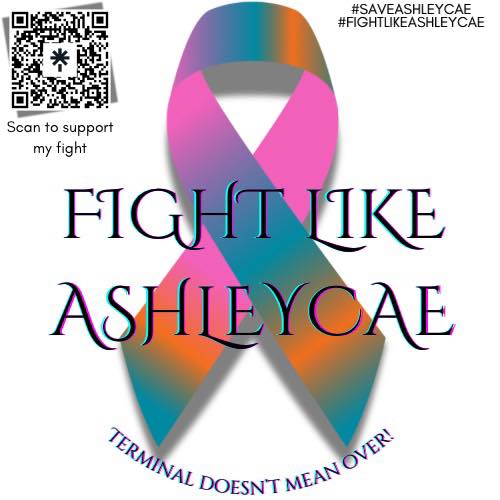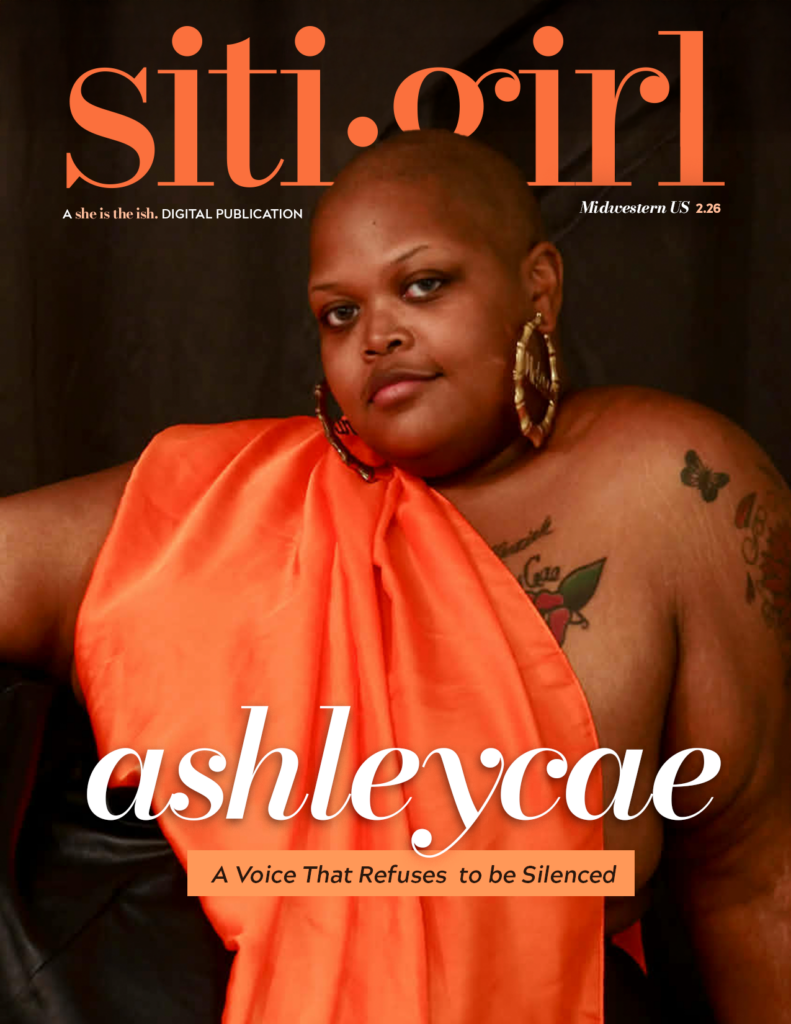
“I’m AshleyCae Lee-Miranda, and this is HERstory.”
Her story does not begin gently. It begins with bruises blooming across her body like rose petals—except there was nothing beautiful about them. Her head felt as though it were splitting open, worse than any migraine she had ever known. She cried. She bargained with the universe. She begged whatever power was listening to make it stop. Deep down, she already knew something was terribly wrong.
AshleyCae went to the hospital again and again. Each time, she was told it was just a migraine. Each time, her weight was blamed. What doctors failed to acknowledge was that she had already battled cancer—something she had kept private in her personal life, something that should have mattered. Before reviewing her history, before carefully examining test results, before truly listening, they judged her skin color, her body, and the fact that she was a woman. The system saw everything except the truth.
That’s when the rage came.
Rage did not whisper. It thundered in her chest. She was angry at God. Angry at doctors. Angry at a system that forced her to fight to be believed. At just 25 years old, she was fighting for her life—and no one seemed to think she was worthy of urgency. That rage made her quiet. It pulled her into depression. It made her question whether she even wanted to be alive.
But rage also transformed her.
It ignited passion. It awakened power. It made her decide that if she was going to hurt, it would not be for nothing. If she had to fight, she would fight not only for herself but for every person whose pain is minimized, dismissed, or doubted.
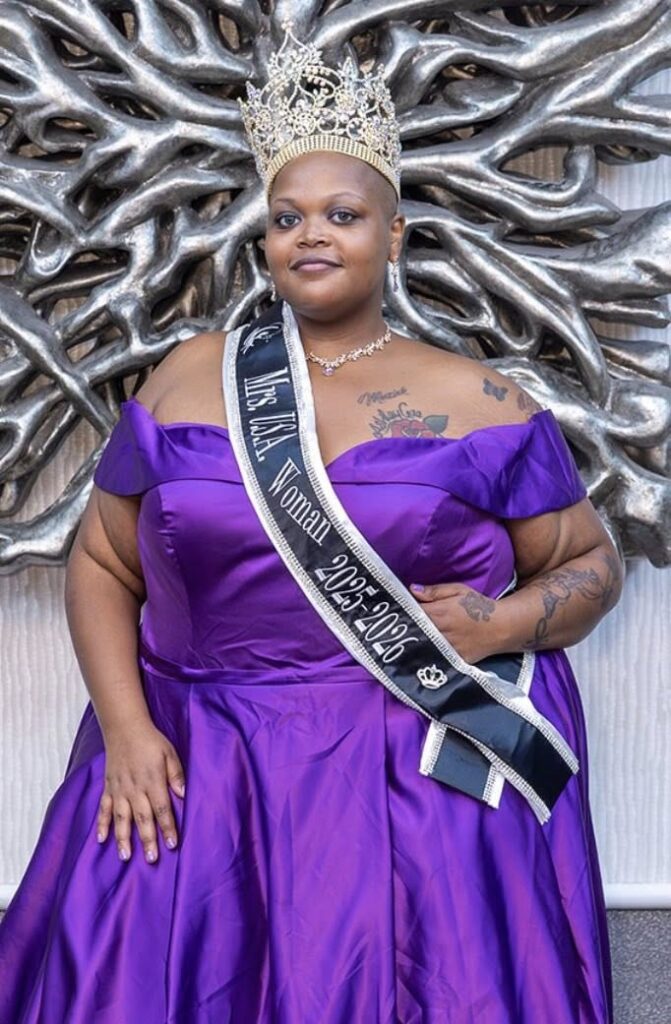
AshleyCae lives with terminal cancer. She does not soften the language. She does not call herself a survivor, because she is still in the fight. She is a fighter. A woman. An advocate. A sister, an auntie, a best friend, a wife, a future mother. She is human in ways that make people uncomfortable—because her humanity is raw, visible, and unfiltered.
One of the deepest losses cancer has brought is something people rarely see: a sense of belonging. Illness isolates. It separates you from rooms you once filled with ease. It makes your body feel unfamiliar. It can make the world feel distant.
And still, she shows up.
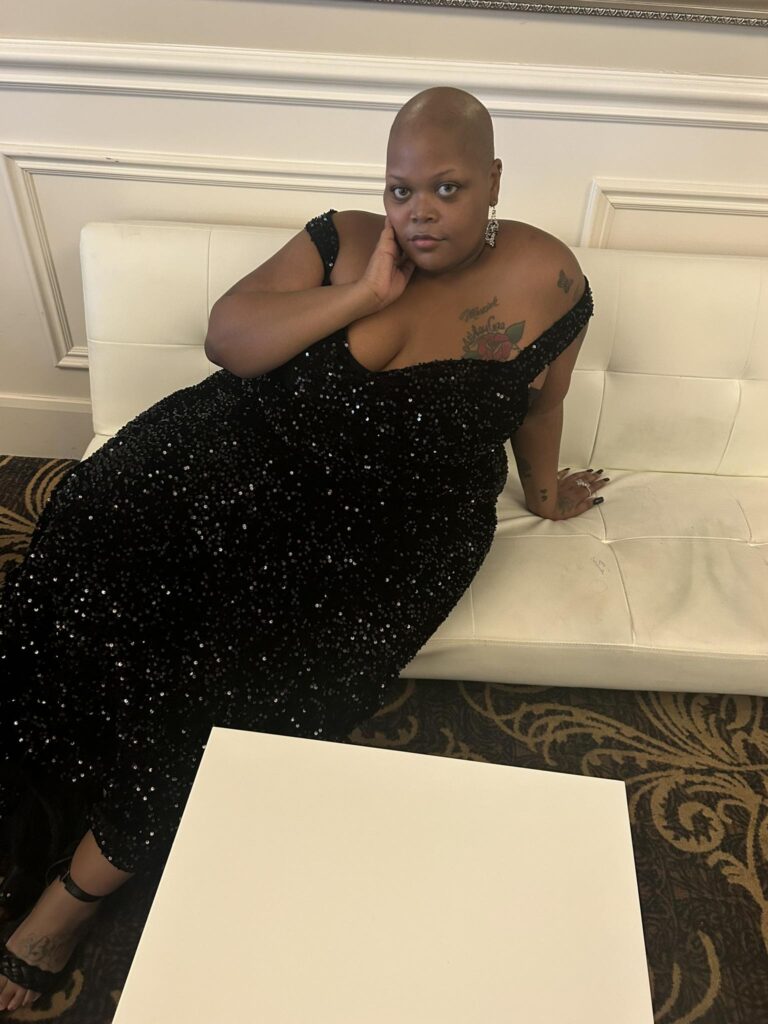
Even when her body says no, she creates. She advocates. She loves with everything she has. She keeps her word—even when her best is tired, especially when her best is tired. Her voice is the one thing cancer does not get to take from her.
Impact, for AshleyCae, is not something postponed until after the battle. It is something lived in real time. On December 21, 2024, the City of Flint proclaimed December 21 as AshleyCae Day. On December 21, 2025, the State of Michigan recognized December 21 as AshleyCae Day and The Rise of the BaldHead Queen Day. Not because she was silent—but because she spoke anyway. Because she showed up when others didn’t. Because she refused to shrink while living in a body the system did not know how to hold.
She does not share this for validation. She shares it as proof. Proof that voice matters before resolution. Proof that legacy does not require permission. Proof that you do not have to wait until you are “on the other side” to take up space.
AshleyCae is still in control of her story. She decides what gets named, what gets worn, and what gets withheld. She decides when to be soft and when to be loud. She decides that her humanity is not a liability—it is the point.
She refuses to live quietly simply because her future is uncertain.
Cancer does not get her silence.
It does not get her story.
And it does not get to define how she lives while she is here.
She is still here. She wants to be here.
And whether she stays or goes—she is healed.